RV Insurance in Lubbock, TX — Coverage Built for How You Actually Use It
Whether you're pulling a fifth-wheel to Palo Duro Canyon or living in your motorhome full-time, we'll find the right recreational vehicle coverage for your rig — from an independent agency that's been part of this community for over 40 years.
Your Truck's Policy Doesn't Cover Everything Behind the Hitch
This is one of the most common surprises we see — and it's an expensive one. When you're towing a travel trailer or fifth-wheel, your towing vehicle's auto policy may extend limited liability coverage while you're in transit. That's it. Collision damage to the trailer, comprehensive coverage for weather or theft, and personal property inside the RV all require a separate recreational vehicle policy.
Your truck covers your truck. Your trailer needs its own policy.
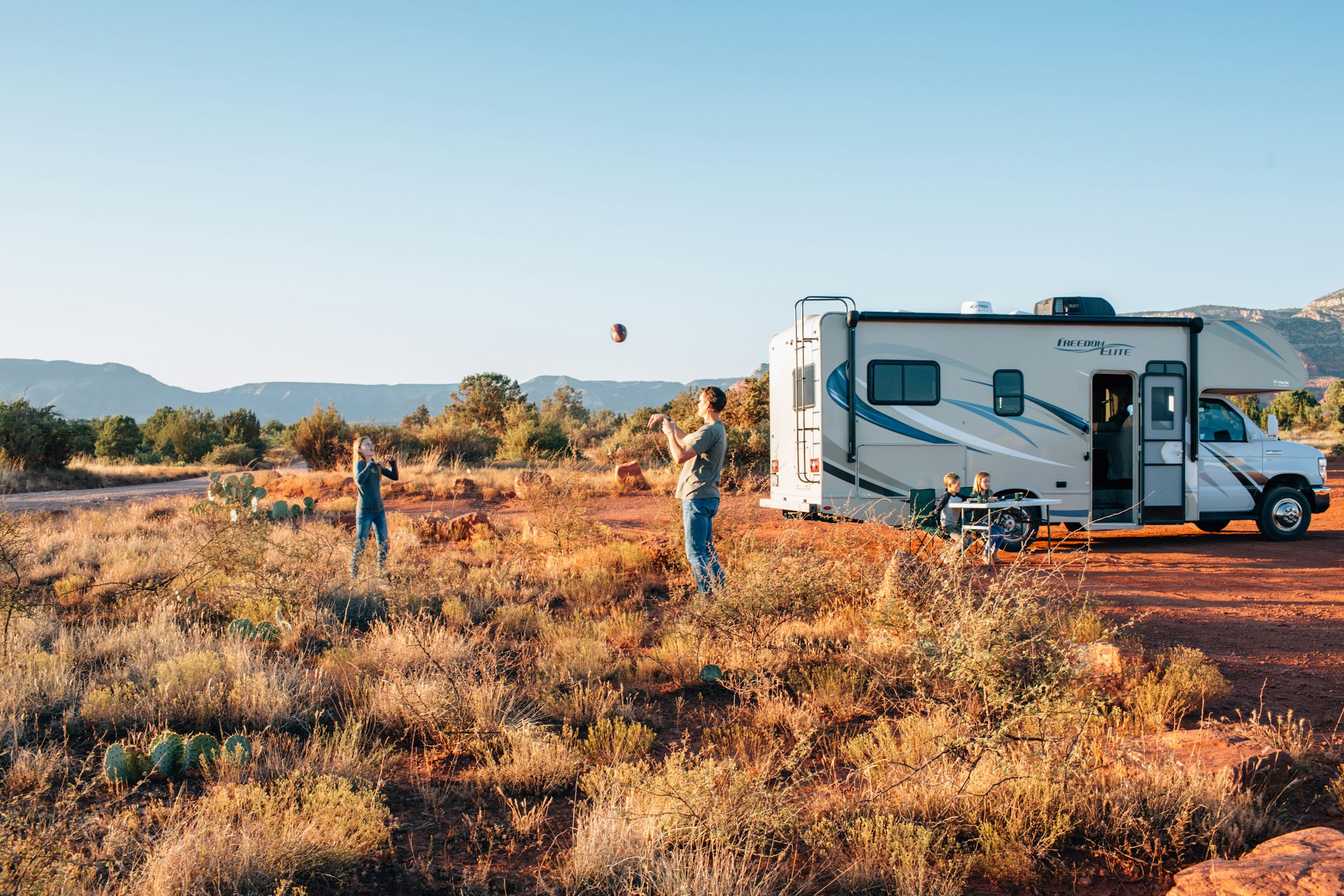
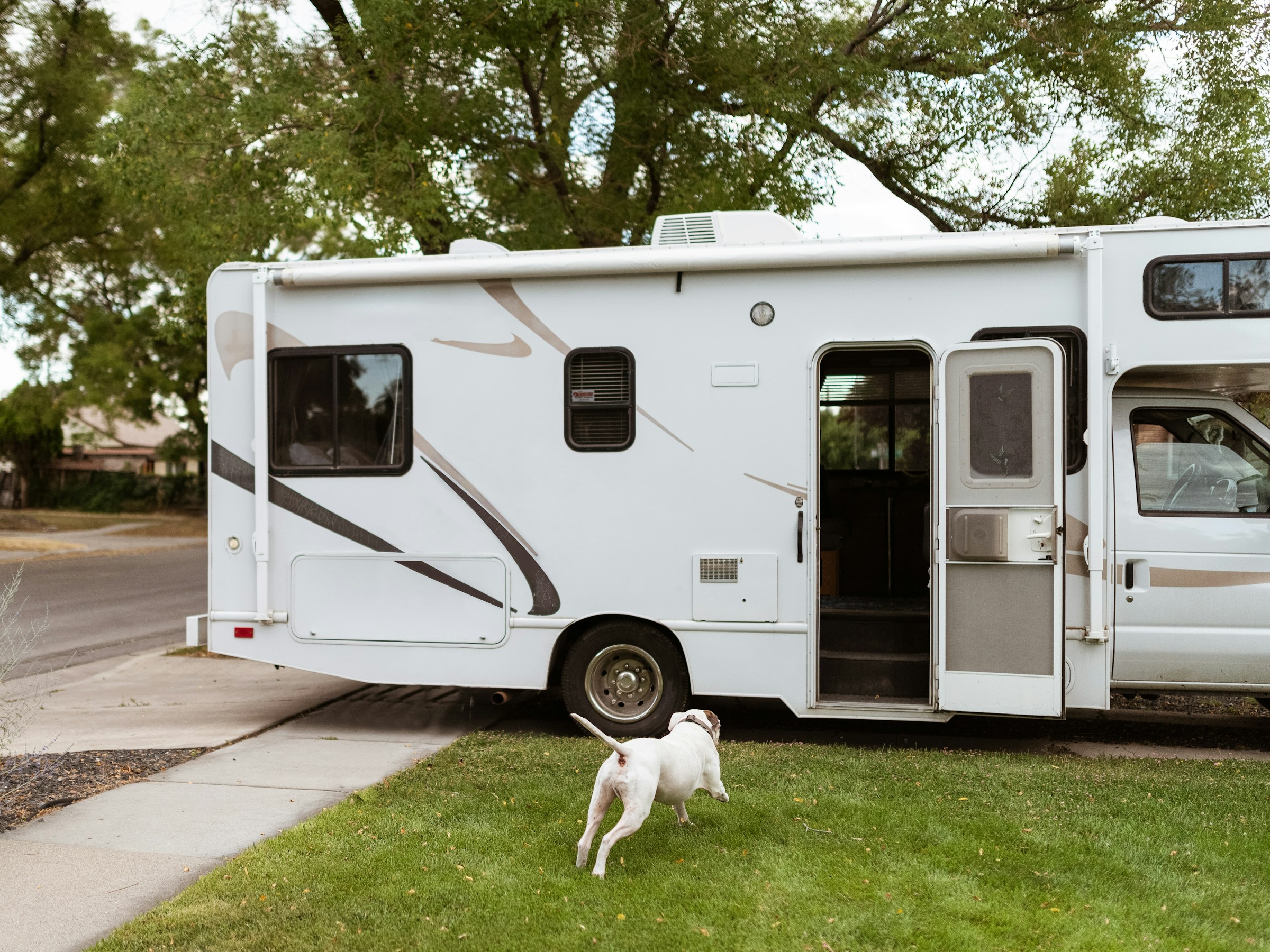
Motorhome, Travel Trailer, Fifth-Wheel, or Pop-Up — Coverage Isn't One-Size-Fits-All
The type of RV you own changes what coverage you need, and we'll walk you through it in plain language.
- Motorhomes (Class A, B, and C): These are driven independently on their own engine, so they require auto-style liability coverage in addition to physical damage protection — similar in structure to a commercial auto policy but built specifically for RVs.
- Travel trailers and fifth-wheels: Towed units that need their own collision, comprehensive, and personal property coverage separate from whatever policy is on the tow vehicle.
- Camper vans: An intermediate category — often titled and insured more like a motorhome than a trailer, depending on the build and how it's used.
- Pop-up campers: Lighter coverage requirements, but still need their own policy for collision, comprehensive, and contents protection.
One conversation is usually all it takes to figure out which category you're in and what coverage makes sense.
What RV Insurance Actually Covers
A well-structured recreational vehicle policy does a lot more than cover a fender bender in the campground. Here's what we typically build into a policy:
Collision and Comprehensive
Collision covers damage from accidents — whether you're backing into a post at the campsite or a car clips your trailer on the highway. Comprehensive covers everything else: hail, theft, fire, flooding, and the kind of West Texas windstorm that doesn't care how carefully you parked.
Personal Property Inside the RV
Your gear, your appliances, your fishing equipment, your hunting supplies — the stuff you bring with you has real value and it's not covered by your homeowners policy once it's inside the RV. Personal property coverage fills that gap.
Vacation Liability and Full-Timer Coverage
Vacation liability covers you if someone is injured at your campsite while you're set up for the weekend. If you live in your RV full-time, full-timer coverage functions more like a homeowners policy — covering personal liability and contents at a higher level than a standard recreational policy.
Total Loss Replacement
For newer units especially, total loss replacement coverage ensures that if your RV is totaled, you're reimbursed for the cost of replacing it with a comparable unit — not just the depreciated value on paper.
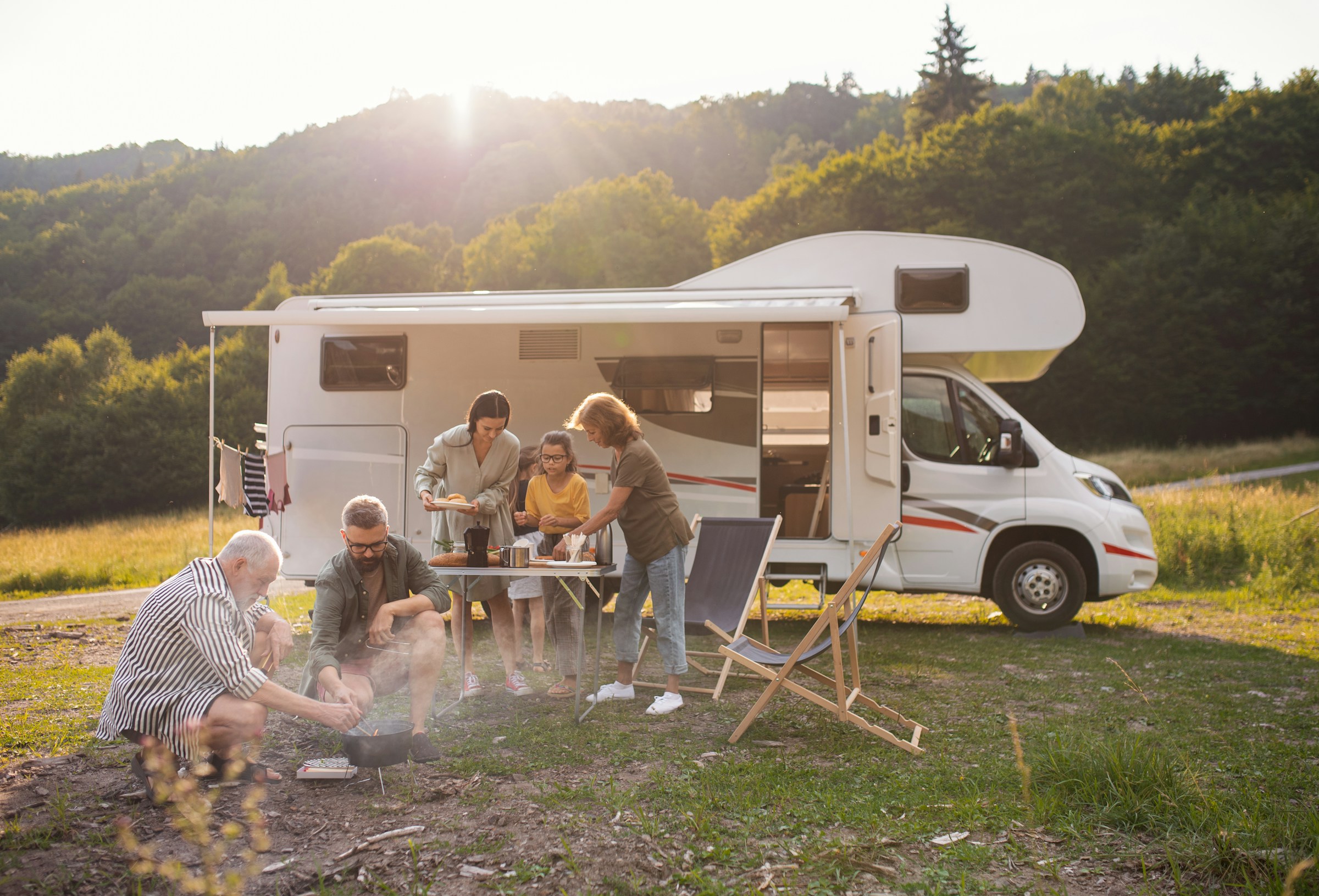
Weekend Warrior Rates for Weekend Warrior Trips
A lot of folks hesitate on RV coverage because they assume full-year premiums aren't worth it for a rig that sits in the driveway most of the time. Recreational policies can actually be structured around how you use it — with storage credits when it's parked and coverage that scales to your time on the road. You shouldn't be paying peak-season rates for a camper that only rolls out for deer season and a couple of trips to Guadalupe Mountains.
We'll look at how often you're using the RV, where you're taking it, and what you've got inside it — then find a policy that fits the actual picture, not the worst-case assumption.
We've Covered Every Kind of Rig — We'll Find the Right Policy for Yours
Beadle Insurance has been writing recreational vehicle coverage in Lubbock and across West Texas for decades. Kenny and Rhonda know this area — the weekend runs to Palo Duro Canyon, the hunting leases out toward Spur and Dickens, the families who pull their fifth-wheels to the lake every summer. We're not guessing at what you need. We shop your coverage across multiple carriers and put together a policy that actually fits.
Common Questions About RV Insurance in Texas
Does my car insurance cover my RV in Texas?
It depends on the type of RV and the situation. If you're towing a travel trailer or fifth-wheel, your auto policy may provide limited liability coverage while the trailer is in motion — but it won't cover collision damage to the trailer, comprehensive losses, or personal property inside it. Motorhomes driven under their own power require a separate policy entirely. A standalone RV policy is the only way to make sure you're fully covered.Is RV insurance required in Texas?
Texas doesn't require a separate RV policy for towed units like travel trailers, but it does require liability coverage for motorhomes operated on public roads — the same way it requires liability coverage for any vehicle. That said, required minimums rarely reflect what it would actually cost to replace your rig or cover a serious accident, so most owners carry more than the minimum.Can I get coverage just for camping season and not the whole year?
Yes. Recreational vehicle policies can often be structured with storage credits or seasonal use provisions that reduce your premium during months the RV isn't in use. It's worth asking about — the savings can be meaningful, especially for units that only come out for hunting season or a handful of road trips each year.What if I live in my RV full-time?
Full-time RV living requires a different type of policy — called full-timer coverage — that goes beyond a standard recreational vehicle policy. It includes higher personal liability limits and more robust personal property coverage, functioning more like a homeowners policy than a typical RV add-on. If you're living in your rig, make sure your policy reflects that.Does RV insurance cover my belongings inside the camper?
Not automatically — personal property coverage is typically a separate component of an RV policy, and your homeowners or renters policy generally won't extend to items stored in the RV. If you're keeping valuable gear, electronics, hunting equipment, or appliances in your camper, it's worth making sure personal property coverage is included in your policy.